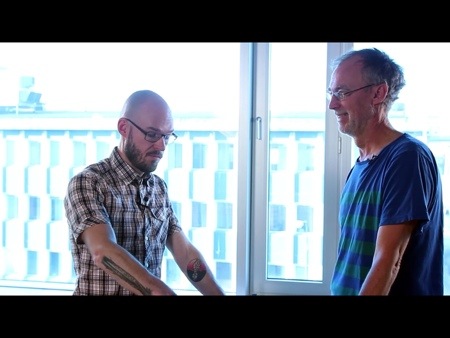
För ett år sedan spelade Mikael och jag in det här samtalet.
Nu sitter jag med en bok och funderar på hur jag ska presentera den för studenterna. Hur kritisk får en högskolelärare vara?
För ett år sedan spelade Mikael och jag in det här samtalet.
Nu sitter jag med en bok och funderar på hur jag ska presentera den för studenterna. Hur kritisk får en högskolelärare vara?
Min far var lantmätare och jag är uppvuxen med högupplösta ekonomiska kartor. Veckans KOBRA är en orgie i kartor. Ett underbart program.
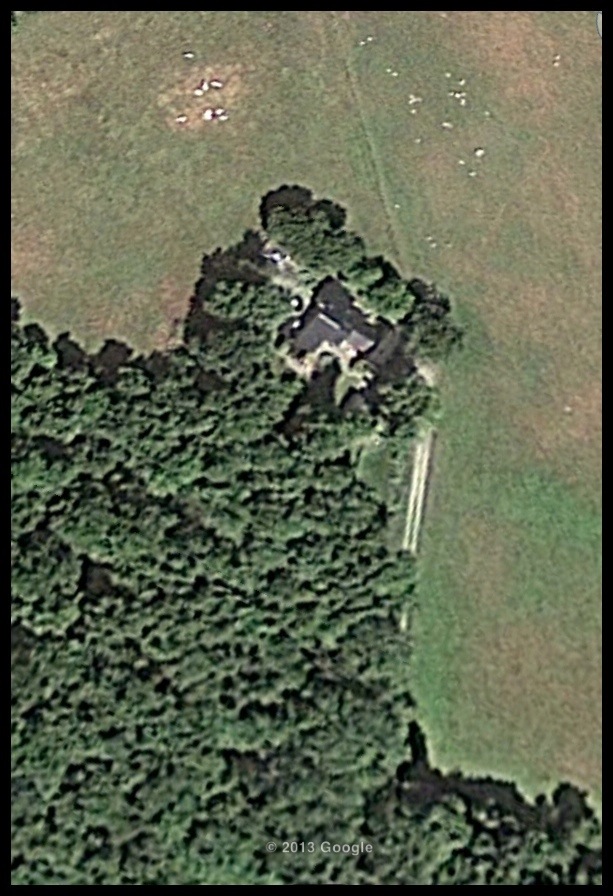
Särskilt spännande blir det när jag har god lokalkännedom och kan jämföra kartan med mina erfarenheter. Den oinvigde ser antagligen inte korna till vänster och lammen till höger. Det gör jag. Google har märkt bilden @2013. Den är äldre än så.
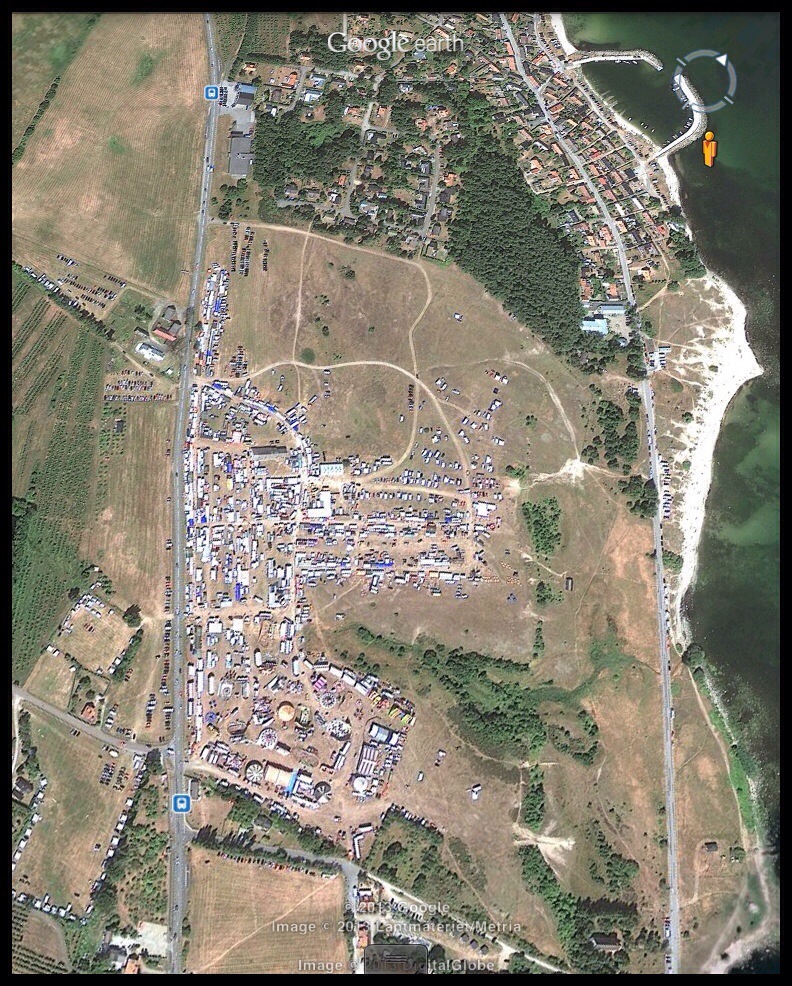
Jag gissar att bilden ovan är tagen kvällen innan Kiviks marknad. Karuseller och en del marknadsstånd är uppsatta. Det låga antalet bilar på parkeringsplatserna tyder på att besökarna inte har kommit än. Snart bryter kaoset ut.
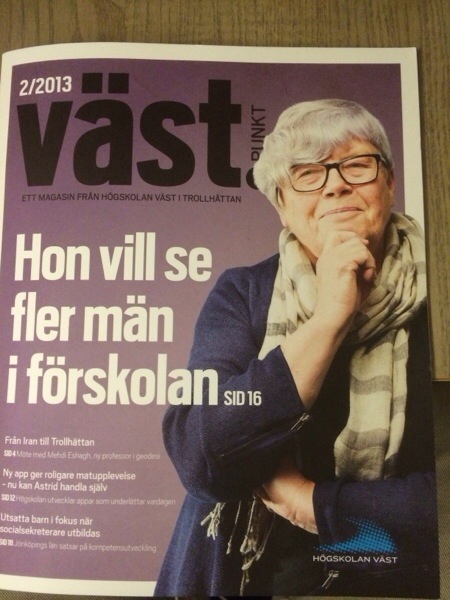
Jag träffar engagerade och erfarna lärarutbildare vid högskolan i Trollhättan och är uppfylld av hur viktiga de här mötena är. Tillsammans kan vi förändra synen på förskolläraryrket. Vi skiljs i övertygelsen om att nu satsar vi långsiktigt.
Tack för inbjudan Inga Wernersson och Ingrid Granbom!
I’m still scratching my head that I actually witnessed this… Years ago, I was investigating preschools for my first child and made a scheduled visit to one of the most popular schools in the neighborhood, chosen by parents I consider to be intelligent and thoughtful. As I entered the classroom and discreetly sat on the floor behind about fifteen 3-4 year olds, a teacher stood at a chalkboard to present a lesson on ‘shapes’. She drew a square and asked, “What is this?” One of the preschoolers raised her hand and shouted “Square!” The teacher gave a brief nod of approval and continued drawing, this time a circle… A few hands shot up, and she pointed to a boy. “Circle!” the boy exclaimed. To my astonishment the teacher frowned, shook her head and corrected him. “No, round.”

Jag försöker förstå innebörden i Obamas förslag om stöd till förskolor.
Sets standards for high-quality pre-k that include: 1) Serve children ages 3 or 4 (including children who turn 5 after the cut-off for kindergarten eligibility), 2) Teachers have bachelor’s degree with specialized training in early childhood education, 3) Maintain “evidence-based” class size and adult: child ratios; 3) Teacher salaries comparble to K-12 schools; 4) High-quality professional development for all staff; 5) Offer a full-day program; 6) Provide developmentally appropriate, evidence-based curricula and learning environments; 7) Monitoring and evaluation to support continuous improvement; 8) Comprehensive services including family engagement, nutrition, special education, and physical activity; 9) Meets education standards in Head Start Outcomes Framework; 10) Meets evidence-based health and safety standards. As part of a state application, a state must provide assurances that all pre-k programs in the state meet or will meet these standards.
Establishes performance measures and targets for states that receive federal pre-k funds, that include: Increasing school readiness across all domains, narrowing school readiness gaps, increasing the number of pre-k programs meeting criteria for high-quality, increasing the number of low-income children in high-qulaity programs funded by this federal program, decreasing placement of children in elementary special education programs, decreasing grade retention in elementary school, avoiding chronic absence in pre-k programs, avoiding chronic absenteeism in pre-k, and providing high-quality nutrition and obesity prevention programs.
Kanske behövs den här styrningen. Jag tror det.

Schools are not failing for the reason reformers would have us believe. They are failing, because we are failing them. Are we willing to give up any hope of their value as part of this democratic experiment? Do we take our toys and go home? Do we abandon the project either in favor of privatization? Do we allow them to be sold at auction to corporations while those with the privilege of being able to seek asylum do so elsewhere? But just because I have the privilege of protecting my own children from the most profound ravages of reform doesn’t preclude me from fighting for other people’s children. And let’s face it, few of us have anywhere left to hide no matter where we go.
When did it stop being patriotic to support my own country by caring for and taking action on behalf my all my country’s children? There is something far greater at stake here and illustrating this will help other people who do not have children in public schools to join the fight.Reformers are aren’t afraid that schools are failing. They’re afraid that schools will succeed in their ultimate purpose. Why else do they close programs that work? Why else rob children of the joy of learning? Why else deny the poorest children opportunities for a love of art, dance, PE, and a meaningful well-rounded curriculum? Why else increase rather than decrease class size? Why else starve communities and schools of their resources? Why? They’re afraid that one day we will wake up and discover precisely how powerful this right to a public education is in forging our own destinies.
And that we realize that we can take it from them. And we will.
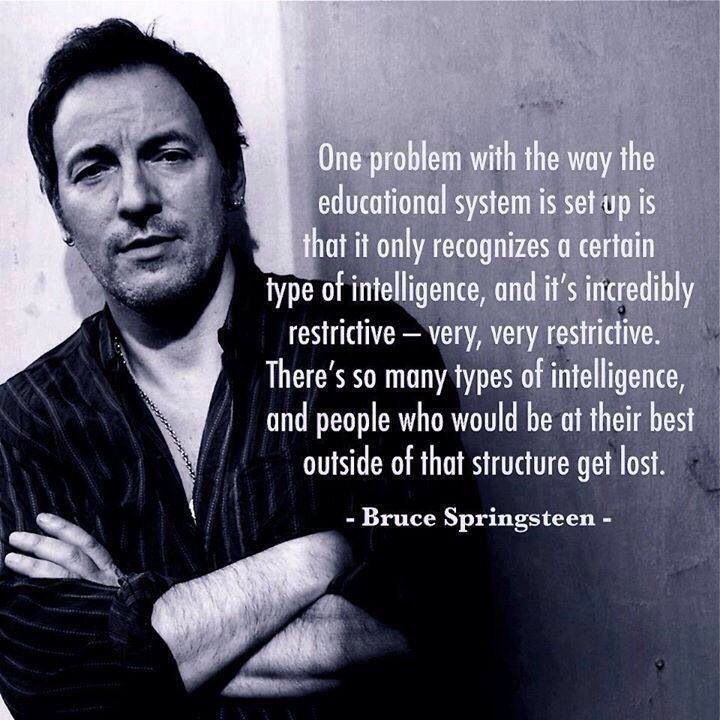
Det går alltså att vara kritisk mot utbildningssystem utan att vilja riva upp grunderna för det.
Sydsvenskan har en serie om Mensa.
Fyller IQ-testerna någon funktion i dag?
– Jag är tveksam till att överhuvud taget använda IQ-tester. Man har haft ambitionen att hjälpa, men i stället för att kartlägga vad personen ifråga behöver hjälp med, så blir testet en prognos över personens framtidsutsikter.– I dag är vi mer öppna för att miljön spelar en stor roll. Men visst mäter man fortfarande IQ, som ett test bland flera andra. Här i Malmö har vi ju haft ett par fall, där elever överklagat sedan de felaktigt placerats i specialklass utifrån resultat på IQ-tester. Risken finns att siffrorna blir ett sätt för dem som bestämmer att frånsäga sig sitt ansvar.
Uppdaterad:
Ulrika och Dorota introducerar serial ordning.

Jag tror att konstverket är ett inlägg i den postkoloniala debatten.
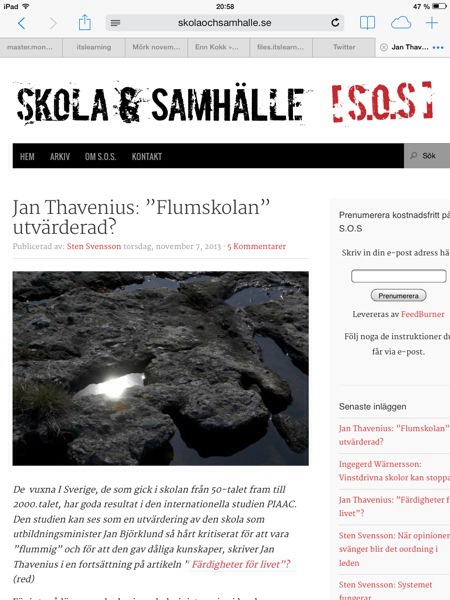
Jag har slarvat med läsningen. Skolaochsamhalle.se är fortfarande en mycket bra sida.
 Tysta tankar