
Jag förvånas ofta av den hårda och oförsonliga tonen mellan feminism och mansrörelse. Den här artikeln av John Lee beskriver bakgrunden till amerikansk mansrörelse. Det finns mycket att lära från och inspireras av.
Your teenage son just broke up with his first girlfriend. He tells his buddies about it and here’s what is so different from previous generations of men: he feels absolutely free to ask them for support to get over it. He even sheds a few tears but not one of them makes fun of him or calls him names. His masculinity is never called into question. How did this happen?
Your stressed out husband or boyfriend opens up and tells you just how scared he is in the down economy and you don’t think he is weak or inferior in any way. You are not nearly as worried as you would be if he kept all his feelings buried or bottled up like your father and grandfather were taught to do. How did this come about?
Your boss is interested in all his employees’ well-being and has even been described as a man who puts people before profits. Many have commented that he is a man who really listens and cares. Your youngest nephew is often paraded out as a man who does not hesitate to nurture his new baby and takes a leave of absence from his job to do so. Remember the day when two gay men could not adopt and certainly no prime time television show would dare show it. How in the hell did this transformation from Don Draper of Mad Men to Dr. McDreamy from Grey’s Anatomy happen? This article Man 2.0 is going to tell you.
There is a new man in town… in our homes, in office buildings and factories, in the Speaker of the House chair and behind the desk in the Oval Office. He makes regular appearances on the big and little screens, on our iPods and on YouTube. This is Man 2.0. He and his sons have been given a full pass to be as emotionally expressive and expansive as their wives, daughters or mothers have always been. Where did this new man come from? What brought about this sea change? Who was behind it and where is that story discussed and documented?
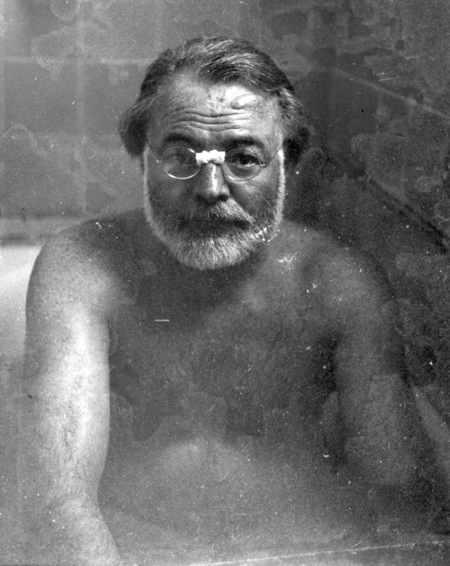
Ibland är det skönt med ett bad.



 Tysta tankar