Jag rättar tentor och gnolar på den här låten…
Reply
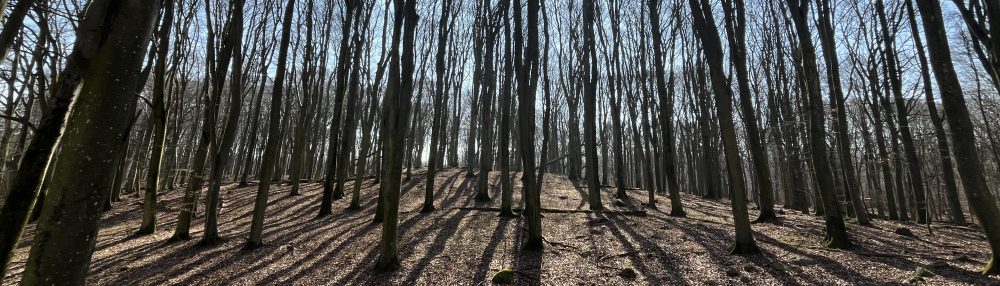
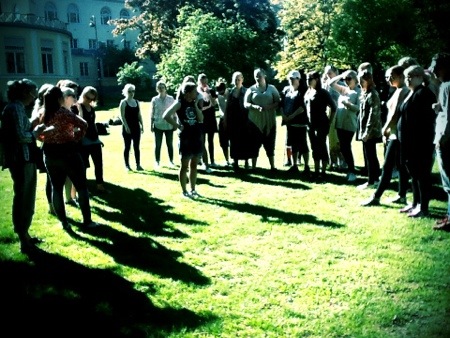
Vi avslutar kursen med studentledda aktiviteter i Slottsparken/Kungsparken. Det känns väldigt bra att vi kan utnyttja naturen för att befästa kunskaperna från de teoretiska studierna.
När jag kommer hem börjar det spöregna. Snälla människor har tur.


Fågelskådning – my way!
Jag följer Facebookgruppen Men in childcare och lånar ofta bilder från dem. Det finns en glädje inför naturen och respekt för barnens vilda lekar som gör mig glad.

Tanken på att utveckla närmare relationer till träd är lockande.
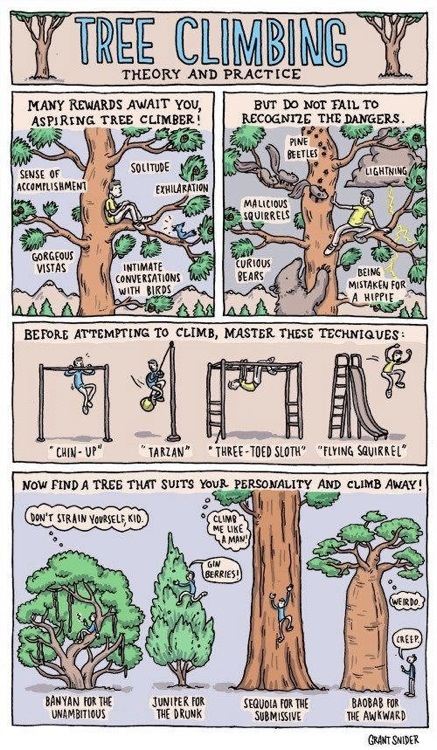
Det här trädet har exporterats från Sverige till USA.

Jag avslutar med att rekommendera en av årets starkaste läsupplevelser.

Jag vaknar glad!
Så var den dagen förstörd.
Den trötta alarmismen i DN triumferar. Bilden av inkompetenta studenter kletar fast. Jag har andra erfarenheter och oroar mig för hur de här beskrivningarna blir självbekräftande.
Dessutom tycks dess främsta företrädare vara kvinnor.
The punishment of boys for being boys proceeds apace. But what happens to them on the playground is the least of it. What happens in the classroom is worse.
Taylor joined a group of parents pressuring the principal to let their children have a recess, citing experts such as the US Centers for Disease Control and Prevention, which recommends that all students have at least 60 minutes of physical activity every day. They issued petitions and held meetings. And although the school has not yet agreed to change its curriculum, Taylor says she feels their message is getting more recognition.
She is not alone in her concerns. In recent years, child development experts, parents, and scientists have been sounding an increasingly urgent alarm about the decreasing amount of time that children – and adults, for that matter – spend playing. A combination of social forces, from a No Child Left Behind focus on test scores to the push for children to get ahead with programmed extracurricular activities, leaves less time for the roughhousing, fantasizing, and pretend worlds advocates say are crucial for development.
Meanwhile, technology and a wide-scale change in toys have shifted what happens when children do engage in leisure activity, in a way many experts say undermines long-term emotional and intellectual abilities. An 8-year-old today, for instance, is more likely to be playing with a toy that has a computer chip, or attending a tightly supervised soccer practice, than making up an imaginary game with friends in the backyard or street.
But play is making a comeback. Bolstered by a growing body of scientific research detailing the cognitive benefits of different types of play, parents such as Taylor are pressuring school administrations to bring back recess and are fighting against a trend to move standardized testing and increased academic instruction to kindergarten.
De här tankarna sprider sig över världen.
Jag har aldrig tidigare citerat en tidskrift frin Christian science. Det känns ganska bra.
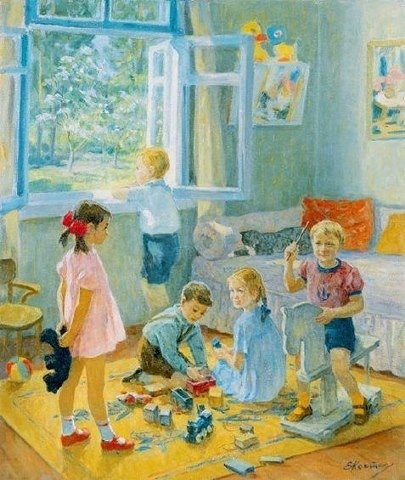


 Tysta tankar