I used to think

I used to think that giving homework the first day of school set the “tone” for our classroom, that this was an academic class that had rigor and demanded their best. Now I realize that I was trying to intimidate my students so that they would work hard and know that I was the one in charge.

I used to think that compliant, well-behaved students were the ideal; now I’m afraid for them. I’m afraid for the kids who think that scoring 90% actually means something in the real world. I’m afraid for the kids who believe the academic hoops they jump through so effortlessly guarantee that they will be successful at life. I’ve come to believe that being good at school might mean you’d make a decent academic, but it isn’t a guarantee of much else.

I used to think, as a high school teacher, that reading was someone else’s job to teach. Now I think it’s important for learners to be taught these strategies across the K-12 spectrum.

I used to think that some kids weren’t cut out for school. They were lazy, unmotivated, and not “academic,” as if being academic was the most important thing in the world. Now I’ve come to realize that it’s the cutout school that’s the problem. Kids love to learn and do it quite naturally. They just might not be buying what I’m selling.

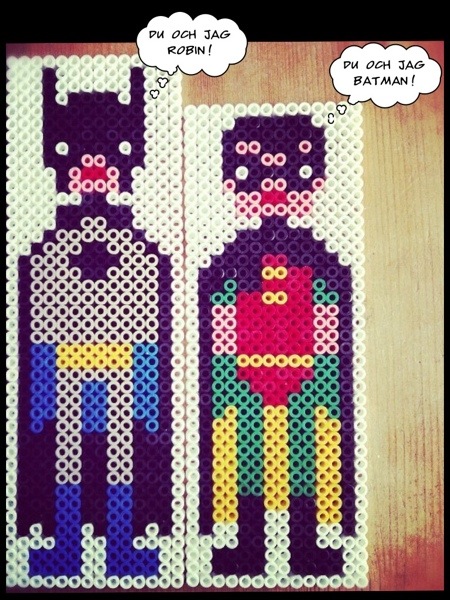
Vi får nog vänja oss vid att barn är olika.
20121115-062447.jpg

Mitt veckobehov av trioler är fyllt

Jag förbereder en föreläsning för blivande förskollärare om estetik i matematik och behöver en anledning att visa filmen. Jag är fascinerad av stämningen – men jag har svårt att knyta filmen till kursens mål:

Lärandemål
Efter avslutad kurs ska studenten kunna

  • definiera begreppet taluppfattning och beskriva hur man i förskolan kan utveckla grundläggande egenskaper hos mängder, antal, ordning och talbegrepp med hjälp av informella/formella talsystem och informell/formell talskrivning samt redogöra för barns grundläggande matematiklärande
  • redogöra för samband mellan tal och mönster samt utifrån dessa formulera matematiska situationer där tankesätten inte är givna
  • definiera begreppet rums- och tidsuppfattning och utveckla barns förståelse för rum, form, läge och riktning samt för mätning, tid och förändring
  • stärka barns begreppsförståelse i statistik och sannolikhet och lyfta fram barns tänkande genom enkla slumpsituationer och diagram
  • skapa förutsättningar för barn att upptäcka, utforska och kommunicera matematik i meningsfulla och varierande sammanhang i lek och samspel
  • använda digital kompetens för att stödja barns lek och lärande samt göra lämpliga urval ur digitalt material och konstruera verklighetsanknutna matematiska aktiviteter och utmaningar
  • använda begreppen rum, tid, kraft och form för att planera, genomföra, utvärdera och utveckla aktiviteter där musik, rörelse och bild samspelar som medel för barns matematiska utveckling och där både förmåga att kunna föra och följa är viktiga egenskaper för kommunikation och lärande

Vad ser ni för matematik i filmen?

Striden om förskolans innehåll pågår över hela jordklotet

4 Reasons To Ditch Academic Preschools

I’m still scratching my head that I actually witnessed this… Years ago, I was investigating preschools for my first child and made a scheduled visit to one of the most popular schools in the neighborhood, chosen by parents I consider to be intelligent and thoughtful. As I entered the classroom and discreetly sat on the floor behind about fifteen 3-4 year olds, a teacher stood at a chalkboard to present a lesson on ‘shapes’. She drew a square and asked, “What is this?” One of the preschoolers raised her hand and shouted “Square!” The teacher gave a brief nod of approval and continued drawing, this time a circle… A few hands shot up, and she pointed to a boy. “Circle!” the boy exclaimed. To my astonishment the teacher frowned, shook her head and corrected him. “No, round.”

Just idag är jag emot alla försök att skolifiera förskolan. Det lär jag vara i morgon också.

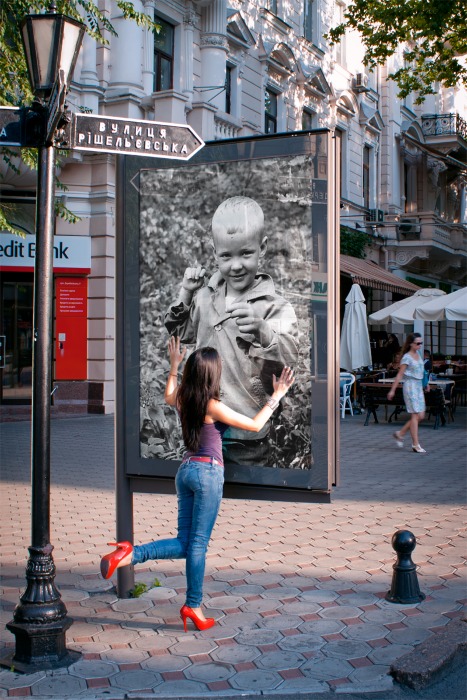
Jag tror att jag kände på samma sätt som barn

Mängdlära enligt SD

Jag befinner mig i en matematisk dimma och prövar att applicera några begrepp på tillvaron. Om matematiken är ett språk kan den hjälpa oss att se bakom orden. Vilka egenskaper krävs hos ett element för att det ska kunna klassificeras i en viss mängd?

Dagens övningsexempel är SD:s krampaktiga försök att ringa in “svenskhet”.

Länk till Sydsvenskan

Råd till föräldrar (och lärare)

Jag brukar undvika alla förnumstiga råd. Idag gör jag ett undantag.
Länk

A child zooms around the house, arms outstretched and head held high. “Mama, I can fly!” he yells with glee. “Be careful, you can’t really fly and I’m worried you will get hurt.” His smile fades. It’s true. He can’t fly.

Or….

A child zooms around the playground, arms outstretched and head held high. “Mama, I can fly!” he yells with glee. “I believe you can fly! You’re having so much fun!” He laughs and zooms a little louder, a little prouder, a little higher. He finds glory in his imagination, feels the surge of joy in his heart and the wind rushing though his hair. “Tell me more about it!” the mother asks and the boy has the opportunity to weave a story and share a moment with his mother. He takes it further, turns into a bird that flies higher than a mountain top.

I believe you can fly.

Be careful. Don’t climb too high. Don’t jump off of that. Don’t get to close. Don’t move too fast. Don’t go so slow. Don’t put that in your mouth. Don’t pick that up. Don’t put that down. Don’t swing on that. Don’t go too deep. Don’t slide down that. Don’t. Don’t. Don’t. Be Careful. You can’t really fly.

Kanske är det på denna nivån som verklig kvalitet uppstår. På lång sikt handlar livet om att våga.

20121110-091615.jpg

Sedan läser jag Karin Thunbergs krönika i Svd och känner mig väldigt klok.

Mina vfu-studenter tycker jag är jobbig

De vill diskutera metoder – jag vill prata kunskapsteori.

Antagligen ligger de mer i fas med den nya läroplanen.

20121109-184625.jpg