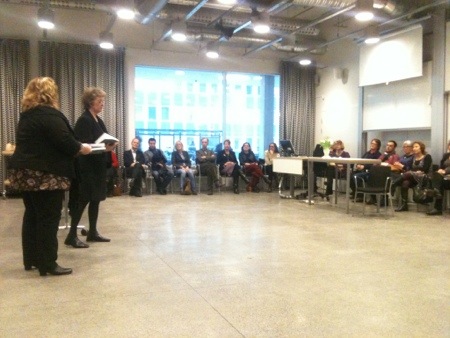
Imagine, if you will, what follows is the beginning of a guide for academics on how best to give a talk. The first paragraph might go something like this: “Walk into the room – do make sure that you open the door first, or you might get a nasty bang on the nose! You might notice there are people sitting in seats in front of you. Don’t be scared. They are called the audience, and they are there to listen to you. They might ask questions afterwards. You will need to think carefully about your answers: you wouldn’t want to say anything silly!
Förklaring 1 – oro för att göra fel
Here I think we may have reached the nub of the problematic mismatch between some academics and social media. Maybe it’s not so much fear of the technology; it’s a fear of losing control. The most effective blogs or tweets are those that express personal views, rather than trotting out the corporate message. Indeed, there is growing evidence that if people simply broadcast work-related content, with no personal angle, their blogs or tweets will be unconvincing, sterile, and thus unpopular.
(…)
Social media involves a loss of control and an exercise in trust and openness. But the kind of academic who will only express their ideas after years of patient, private research, probably will not want to blog about them, or open them to the scrutiny of the twittersphere before the production of the ‘Great Work’. The idea that someone else might do so, perhaps by tweeting a conference paper, will be even less welcome. In such cases no amount of calming words of one syllable will offer reassurance, or get the sceptics tweeting.
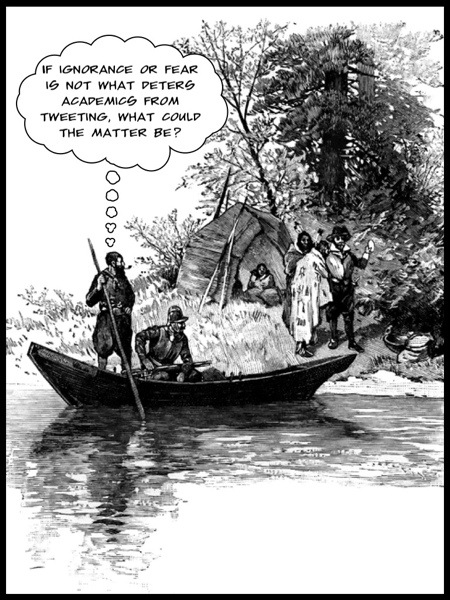
Förklaring 2 – oro för att tappa kontroll
To me this is a peculiar kind of technological confusion. If we ban live tweeting, do we also ban conversations about a paper in the lunch queue or the bar? If people really are anxious about tweeting or blogging, because it might reveal too much about them or their work, does that mean that they don’t talk to their colleagues over coffee, whether about research or the latest gossip?
Slutsatsen är förlamande – akademiker är rädda för kommunikation.
Claire Warwick is professor of digital humanities at UCL – follow her on Twitter @clhw1




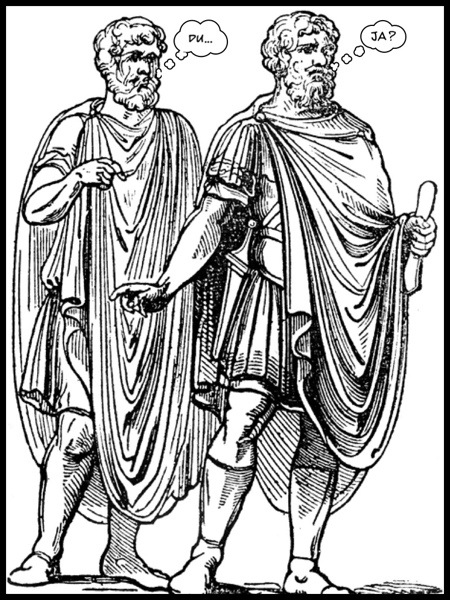
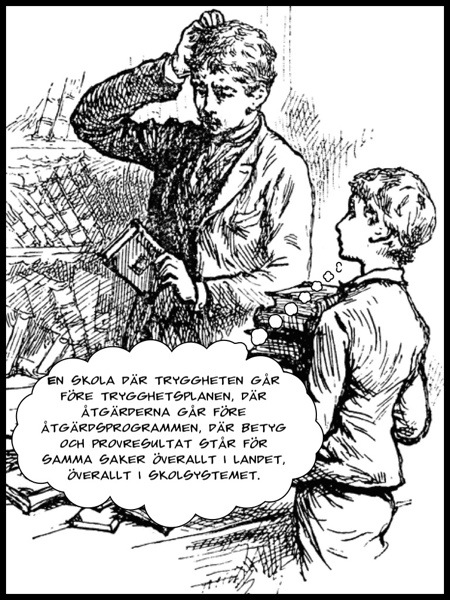

 Tysta tankar