Vi promenerar och försöker hitta rätt i det nya året. Min arbetsplats norra fasad är mörk och hotfull.
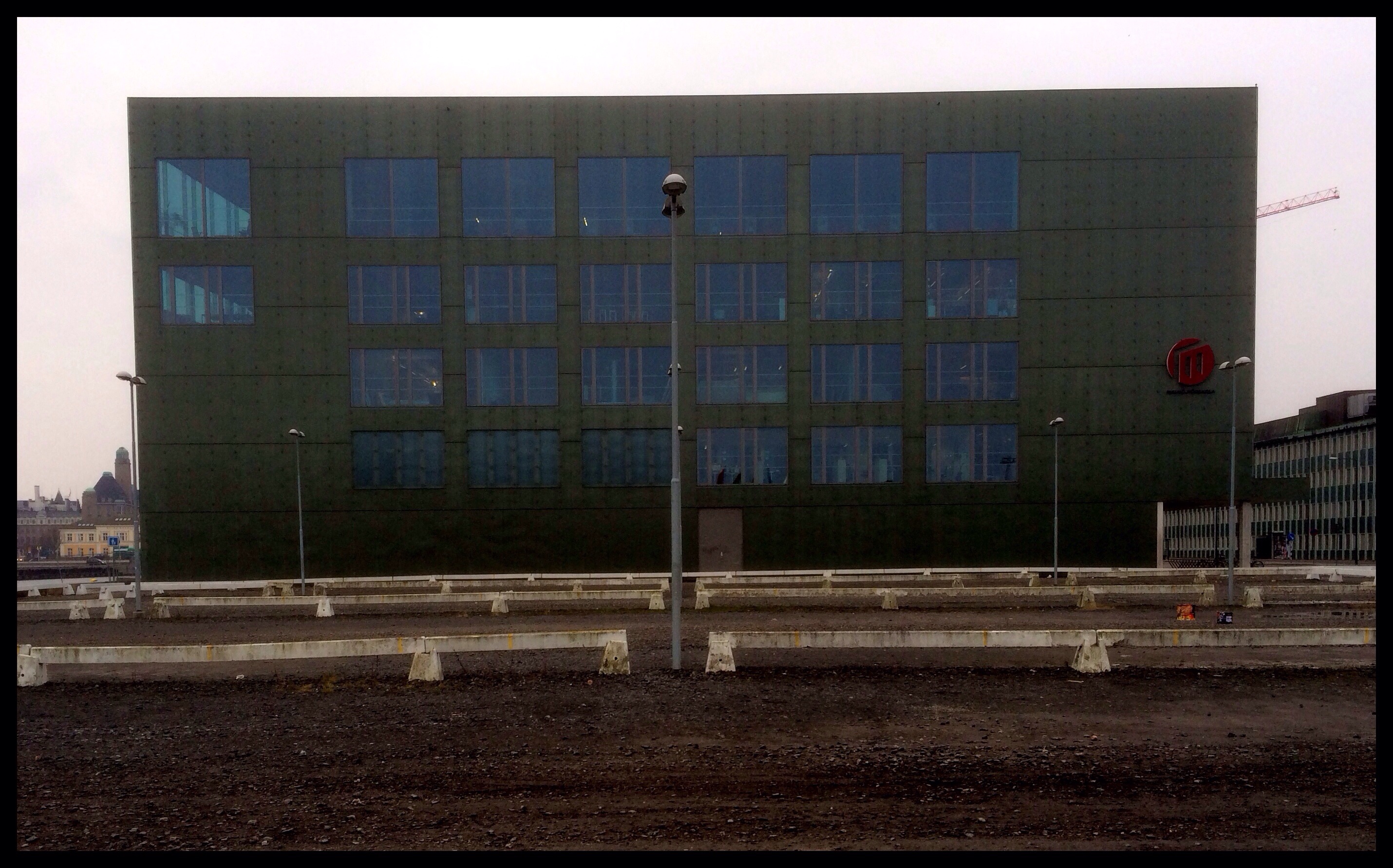
Jag tar några steg österut och plötsligt ändrar byggnaden färg.
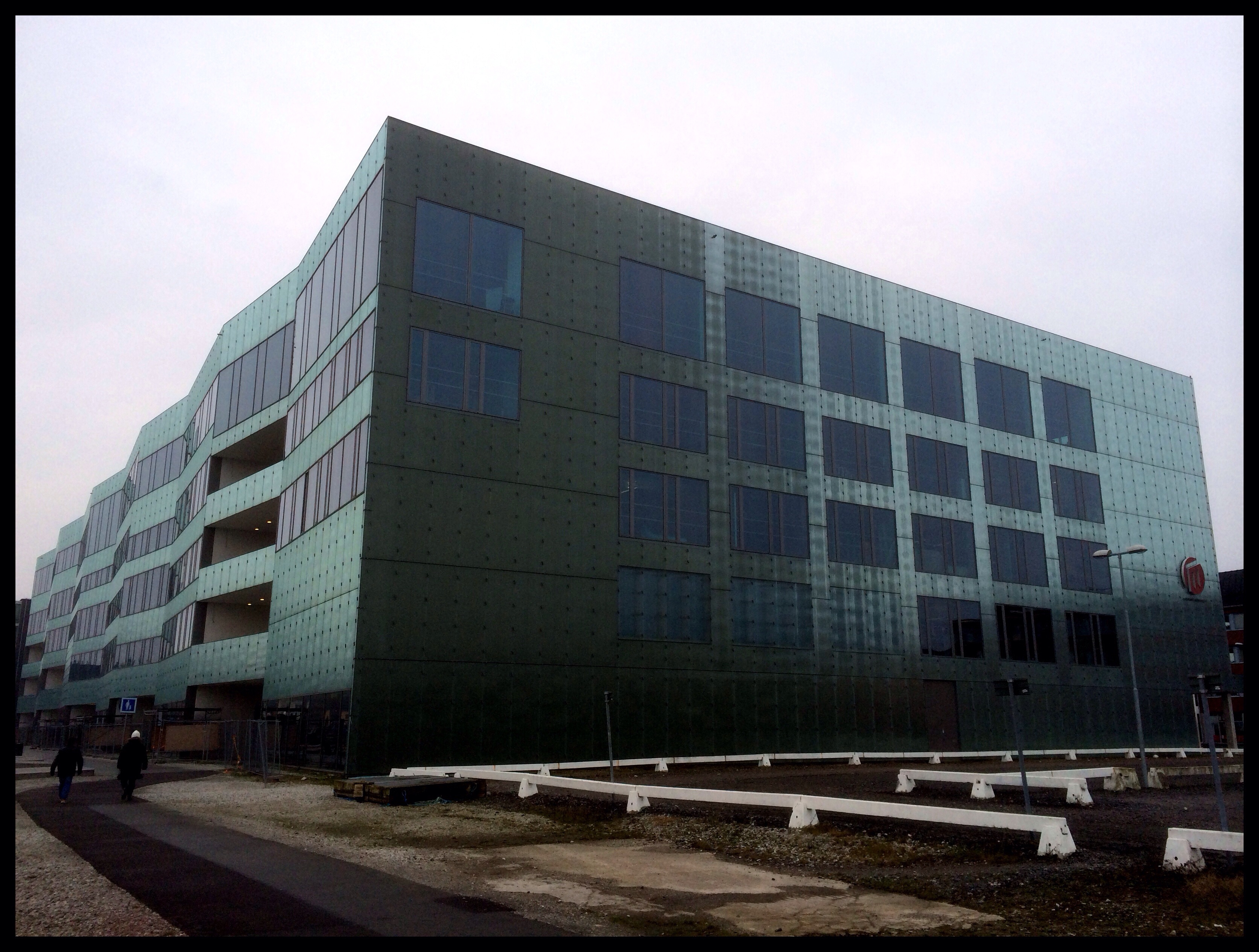
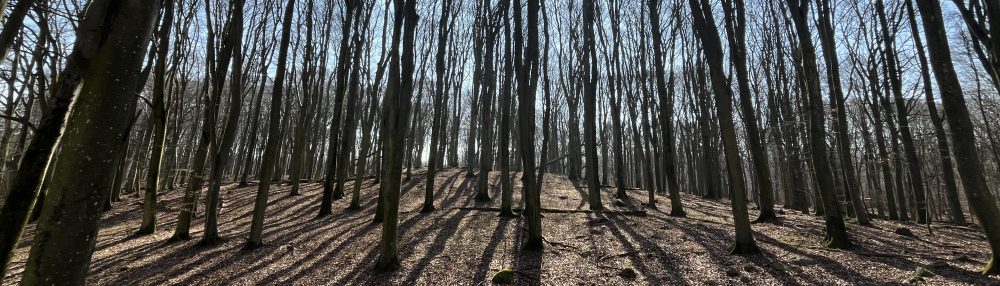
Vi promenerar och försöker hitta rätt i det nya året. Min arbetsplats norra fasad är mörk och hotfull.
Jag tar några steg österut och plötsligt ändrar byggnaden färg.
https://twitter.com/lilianvarnander/status/417955390588874753
–Jag valde att skriva om pojkar därför att jag upplevde att det offentliga samtalet hade en negativ ton, där problemlösning hamnade i skymundan till förmån för “antipluggkultur” och “pojkkris” och “krampaktiga maskuliniteter” och annat som inte är särskilt produktivt och dessutom inte sällan hamnar på en alltför teoretisk nivå. Jag föredrar att vara konstruktiv och lösa problemet och därför gjorde jag således en ansats att göra just detta, säger hon.
Vill du läsa mer om pojkar och litteratur så finns Kåkå Olsens masteruppsats tillgänglig här.
–Alla vinner på att vi vidgar definitionerna av vad som är läsning och vad det innebär att läsa, avslutar hon.
Att tala om pojkars läsning utan att moralisera? Det låter väldigt avlägset. Kanske är 2014 året då det blir möjligt att diskutera pojkars skolprestationet utan ideologiska skygglappar.
Jag vill gärna tro det.

Vissa texter slår hårt. I Sverige är vi vana vi låsta positioner och enkla frågeställningar. När jag läser intervjun med Camille Paglia är min första reaktion lite nervös. (Behöver vi fler provokatörer?) sen tänker jag att detta är en kvinna som erövrat rätten att vara kritisk genom hårt intellektuellt arbete.
Ms. Paglia argues that the softening of modern American society begins as early as kindergarten. “Primary-school education is a crock, basically. It’s oppressive to anyone with physical energy, especially guys,” she says, pointing to the most obvious example: the way many schools have cut recess. “They’re making a toxic environment for boys. Primary education does everything in its power to turn boys into neuters.”
She is not the first to make this argument, as Ms. Paglia readily notes. Fellow feminist Christina Hoff Sommers has written about the “war against boys” for more than a decade. The notion was once met with derision, but now data back it up: Almost one in five high-school-age boys has been diagnosed with ADHD, boys get worse grades than girls and are less likely to go to college.
Ms. Paglia observes this phenomenon up close with her 11-year-old son, Lucien, whom she is raising with her ex-partner, Alison Maddex, an artist and public-school teacher who lives 2 miles away. She sees the tacit elevation of “female values”—such as sensitivity, socialization and cooperation—as the main aim of teachers, rather than fostering creative energy and teaching hard geographical and historical facts.
By her lights, things only get worse in higher education. “This PC gender politics thing—the way gender is being taught in the universities—in a very anti-male way, it’s all about neutralization of maleness.” The result: Upper-middle-class men who are “intimidated” and “can’t say anything. . . . They understand the agenda.” In other words: They avoid goring certain sacred cows by “never telling the truth to women” about sex, and by keeping “raunchy” thoughts and sexual fantasies to themselves and their laptops.
Politically correct, inadequate education, along with the decline of America’s brawny industrial base, leaves many men with “no models of manhood,” she says. “Masculinity is just becoming something that is imitated from the movies. There’s nothing left. There’s no room for anything manly right now.” The only place you can hear what men really feel these days, she claims, is on sports radio. No surprise, she is an avid listener. The energy and enthusiasm “inspires me as a writer,” she says, adding: “If we had to go to war,” the callers “are the men that would save the nation.”

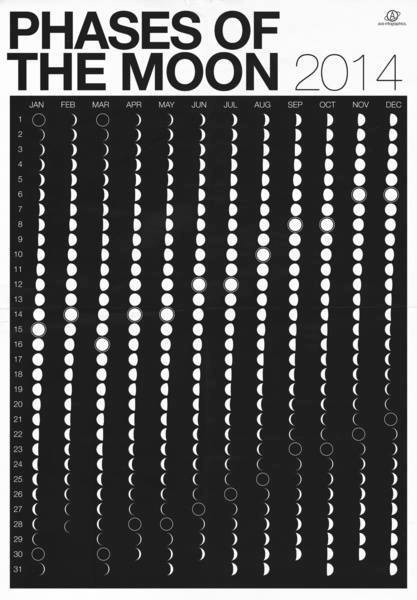
Och snart börjar kursen Naturvetenskap och teknik i förskolan. Då ska vi kolla hur världen ser ut och hänger ihop.

Jag behöver fundera över det här. Och lära mig hur Pinterest fungerar.
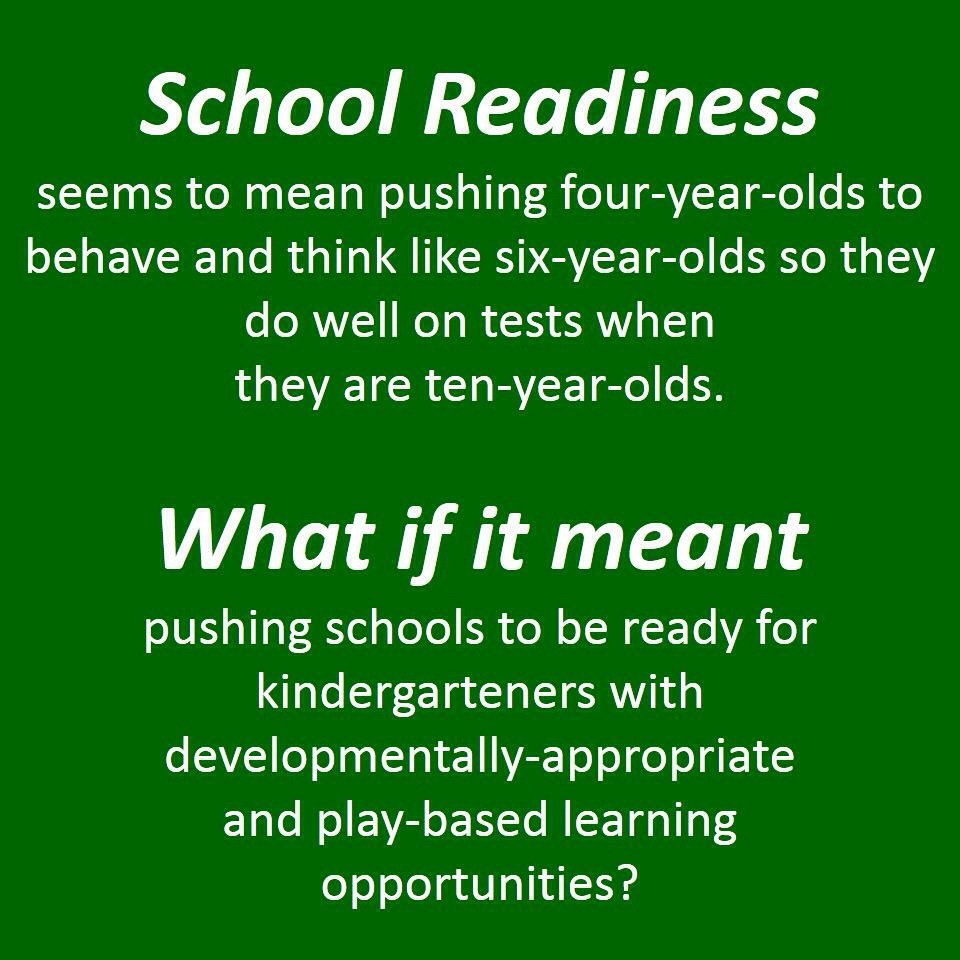
Neither do I.
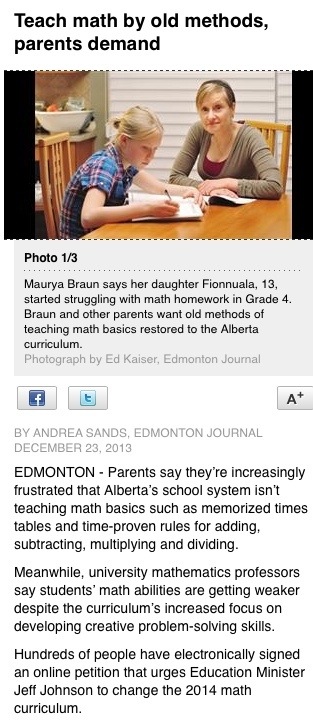
Jag förutspår att liknande reaktioner kommer ske i Sverige. Skolpolitiken kommer att bli mer konkret och föräldrarna vill påverkar form och innehåll.
How teaching math has changed
Alberta’s math curriculum is based on the Western and Northern Canadian Protocol for collaboration in education. Education ministers from Manitoba, Saskatchewan, Alberta, British Columbia, Yukon Territory and Northwest Territories signed the protocol in 1993. It provides the broad framework each jurisdiction follows to develop its own curriculum for subjects in Kindergarten through Grade 12. The first common mathematics framework came out in 1995 and 1996, and was updated in 2006 and 2008.
Alberta Education started rolling out the current math curriculum in 2008, on a staggered schedule across K-12 grades.
Alberta Education information for parents highlights these differences between how math was taught in the past and how it is taught today:
Then: teachers used direct instruction to show students how to solve questions and students copied steps from the board
Now: Students work together on math tasks and the teacher offers guidance when needed.
Then: Students memorized procedures to solve routine problems
Now: Students apply mathematical and logical reasoning to solve unique problems
Then: Students worked independently on multiple similar questions
Now: Students work together and communicate about the mathematics they are using
Then: Math was seen as a collection of isolated concepts and procedures
Now: Math is a way of understanding, interpreting and describing the world, and seeing connections between concepts and how they apply in the real world
Jag passerar byggarbetsplatsen Niagara. Här ska högskolans verksamhet samlas ihop och visionerna förverkligas.
Just nu sliter vinden i pressenningarna och det låter som hundra galna panflöjter tävlar om uppmärksamheten. Det har varit en tuff höst att bygga hus. Snart är fönstren på plats – då blir det lättare.
Själv stretar jag vidare mot gymmet. Än så länge är det ganska öde. De rutinerade besökarna varnar mig för Januari. Då samlas de ångestdrivna amatörerna runt maskinerna och vi pålitliga och långsiktiga gymrävar får hålla tillgodo med de udda tiderna.
Ibland saknar jag julpysslet. Det finns ett stort utrymme för nyskapande.
 Tysta tankar