Mansrörelsens legitimitet

Länk

Jag förvånas ofta av den hårda och oförsonliga tonen mellan feminism och mansrörelse. Den här artikeln av John Lee beskriver bakgrunden till amerikansk mansrörelse. Det finns mycket att lära från och inspireras av.

Your teenage son just broke up with his first girlfriend. He tells his buddies about it and here’s what is so different from previous generations of men: he feels absolutely free to ask them for support to get over it. He even sheds a few tears but not one of them makes fun of him or calls him names. His masculinity is never called into question. How did this happen?

Your stressed out husband or boyfriend opens up and tells you just how scared he is in the down economy and you don’t think he is weak or inferior in any way. You are not nearly as worried as you would be if he kept all his feelings buried or bottled up like your father and grandfather were taught to do. How did this come about?

Your boss is interested in all his employees’ well-being and has even been described as a man who puts people before profits. Many have commented that he is a man who really listens and cares. Your youngest nephew is often paraded out as a man who does not hesitate to nurture his new baby and takes a leave of absence from his job to do so. Remember the day when two gay men could not adopt and certainly no prime time television show would dare show it. How in the hell did this transformation from Don Draper of Mad Men to Dr. McDreamy from Grey’s Anatomy happen? This article Man 2.0 is going to tell you.

There is a new man in town… in our homes, in office buildings and factories, in the Speaker of the House chair and behind the desk in the Oval Office. He makes regular appearances on the big and little screens, on our iPods and on YouTube. This is Man 2.0. He and his sons have been given a full pass to be as emotionally expressive and expansive as their wives, daughters or mothers have always been. Where did this new man come from? What brought about this sea change? Who was behind it and where is that story discussed and documented?

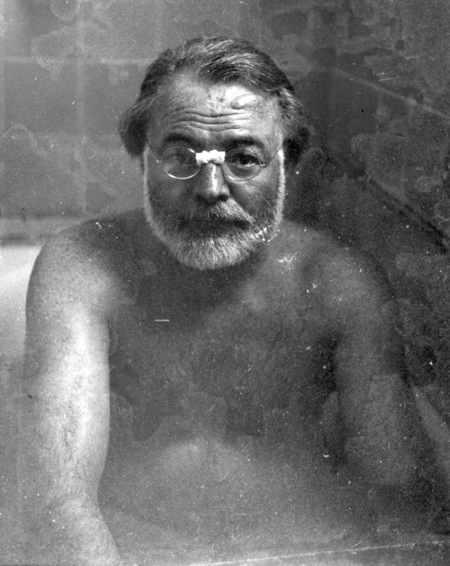
Ibland är det skönt med ett bad.
20130626-102338.jpg

Stränga förmaningar eller en analys av tidsuppfattning

Vi diskuterade strategier för att förändra pojkars attityder till skola och läsning. Den här filmen tillför ett annat perspektiv:

“Det vidgade textbegreppet”

20130619-172153.jpg

Länk till kapitel 8

För tio år sedan talade vi ofta om ett vidgat textbegrepp. Idag klagar vi på pojkars bristande läsförmåga och läsvilja.

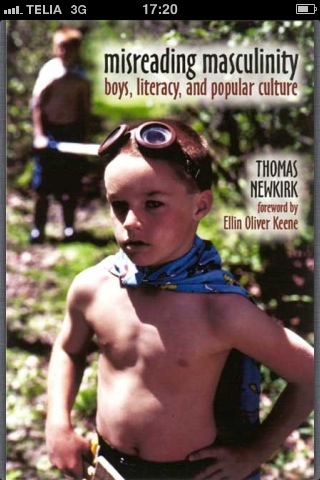
I have argued that this problem—this construction of literacy as feminized—cannot be countered if schools fail to be self-critical about what counts and does not count as valid literacy activity. In the end, a broadening of the lit- eracy spectrum will not only benefit boys; it will benefit any stu- dent whose primary affiliation is to the “low status” popular narratives of television, movies, comics, humor, sports pages, and plot-driven fiction.

Jag tror alltså inte att “stränga förmaningar” är en framgångsrik väg. Det har många prövat.

Tack för tipset Spetsig!

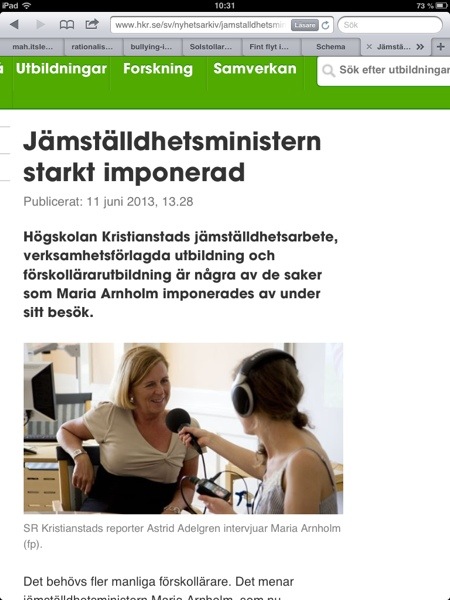
Jag undrar om det går att smuggla in den hör texten på förskollärarutbildningen?

Books trump magazines; print trumps the visual; the serious trumps the humorous; fiction trumps nonfiction.

“Readocide” – om läsloggar och annat

https://twitter.com/lilianvarnander/status/346839205546164224

En viktig text – nu talar vi innehåll och pedagogik.

Jag inser att det även gäller högskolan. Hur tar vi oss ut ur mönstret som gör läraren till kontrollant?

20130618-064848.jpg</a

Uppdatering :

Pojkars läsning – “stränga förmaningar”?

Anna Ekström intervjuas om pojkars läsning i Sydsvenskan:

Barn identifierar sig med andra av samma kön. Män och pojkar läser mindre än kvinnor och flickor. Det är sammankopplat med bilden av manlighet och av vad en pojke ”bör” göra. Bilden har inte ändrats mycket de senaste årtiondena.

Jag försöker undvika det enklaste talet om identifikation och imitation. Teorin blockerR en djupare förståelse om innehåll och mening.

Men Anna Ekström är helt säker på att mönstret går att ändra.

– Flickorna har verkligen gjort det. Flickorna väljer, åtminstone på högskolan, det som man anser vara manliga utbildningar i väldigt stor utsträckning. Det har inte ändrats via tvång, utan via informationskampanjer, intresse, peppning och lite stränga förmaningar om att inte vara så typiskt kvinnlig. Strukturer är trots all summan av tusentals individuella beslut.

Skolverkets generaldirektör har en smittande energi. Kanske är det enkelt att övertyga någon att bryta mönster genom “informationskampanjer, intresse, peppning och lite stränga förmaningar”. Jag undrar varför ingen tänkt på det tidigare?

Min tes är att de kampanjer som riktats mot pojkar har haft en illa dold moraliserande underton och därför misslyckats att påverka målgruppen.

Jag vill se en ny start i genusarbetet. Helst utan de där “stränga förmaningarna”.

Idag är jag inte på disputation

Titeln på Klara Dolks avhandling väcker mitt intresse.
Bångstyriga barn: Makt, normer och delaktighet i förskolan

In recent years, feminist research in education has put an increasing emphasis on the relationship between children and adults, mostly connected to a critique of gender pedagogy and other forms of so-called “fundamental values education” (värdegrundsarbete). This study looks at the power relations between children and adults in preschool in the context of educational activities intending to increase gender equity, social equality, and participation. The study’s aim is to examine the tensions and conflicts that occur in this context. How are the power relations between adults and children expressed and negotiated? Which possibilities do children have for participation, for resistance, and for creating something new? On a more general level, the study intends to examine democracy in the context of the educational work in question. It hopes to contribute to a discussion about the democratic implications of our understanding of “children” and “adults”, both in the preschool context and in society at large. This also concerns children’s and adults’ possibilities to step outside of preconceived frames and engage in processes of transformation.

As a methodological approach I have followed fundamental values education in a selected preschool for one school year. I did an ethnographic field study, in which I observed the preschool’s regular activities. I also had separate meetings with the teachers, during which we discussed the children’s possibilities to participate in fundamental values education, drawing inspiration from action research. As a theoretical departure point, and in order to investigate the power relations between adults and children, I use poststructuralist and feminist theory, with a particular interest in power, norms, and participation. I put the focus on children’s resistance and on “unruly children”, who, I argue, challenge us to revisit and improve our educational aspirations in gender equity, social equality, and participation.

Jag hoppas på en utförlig rapport därifrån? Twitter?

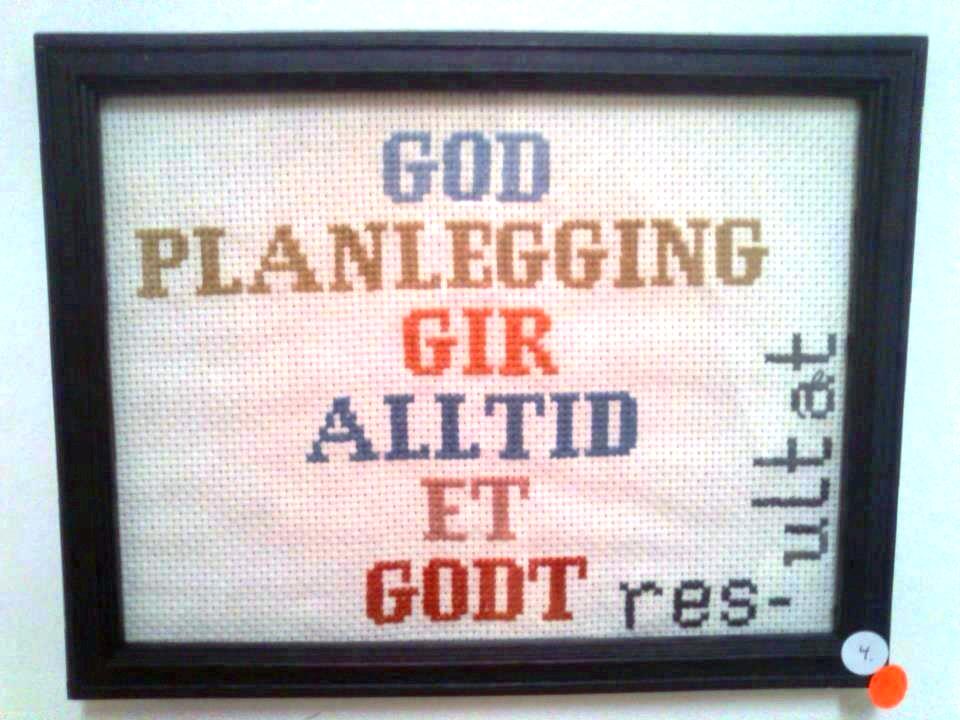
planen