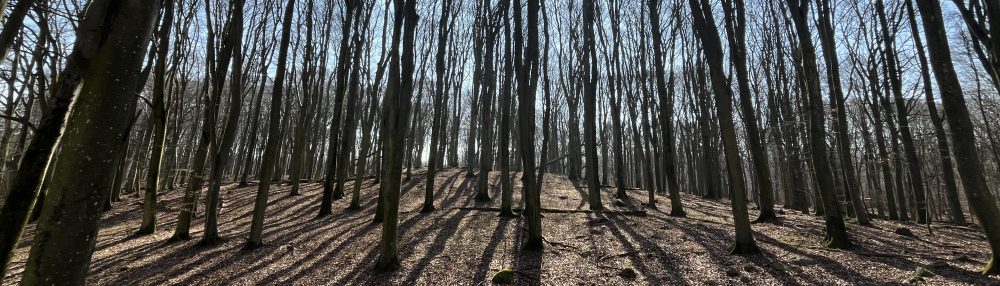
En studie visar att barn blir mindre nyfikna när lärare undervisar på ett skolliknande (vad nu det är) sätt.
Why might children behave this way? Adults often assume that most learning is the result of teaching and that exploratory, spontaneous learning is unusual. But actually, spontaneous learning is more fundamental. It’s this kind of learning, in fact, that allows kids to learn from teachers in the first place. Patrick Shafto, a machine-learning specialist at the University of Louisville and a co-author of both these studies; Noah Goodman at Stanford; and their colleagues have explored how we could design computers that learn about the world as effectively as young children do. It’s this work that inspired these experiments.
These experts in machine learning argue that learning from teachers first requires you to learn about teachers. For example, if you know how teachers work, you tend to assume that they are trying to be informative. When the teacher in the tube-toy experiment doesn’t go looking for hidden features inside the tubes, the learner unconsciously thinks: “She’s a teacher. If there were something interesting in there, she would have showed it to me.” These assumptions lead children to narrow in, and to consider just the specific information a teacher provides. Without a teacher present, children look for a much wider range of information and consider a greater range of options.
En skicklig lärare måste alltså kunna ta några steg tillbaka ibland. Men det visste vi nog.
 Tysta tankar